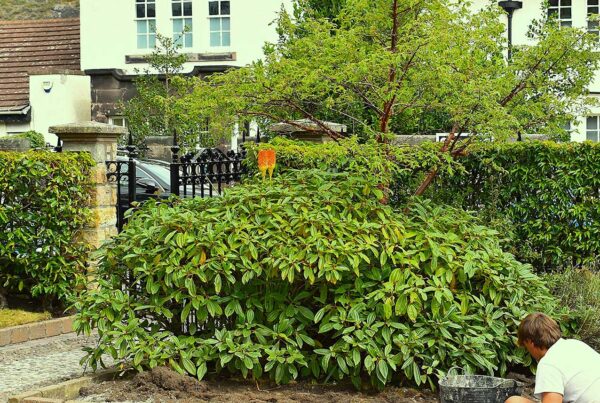
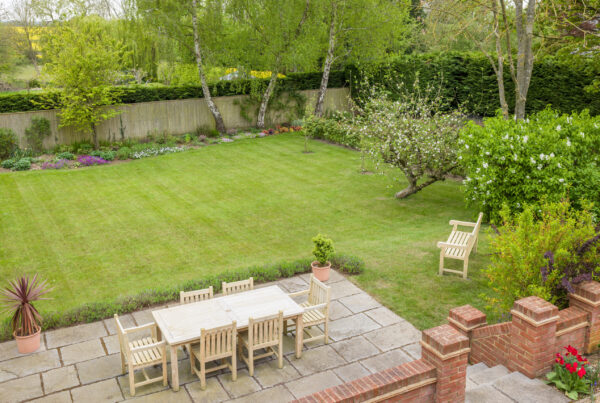
When it comes to garden design, Edinburgh townhouses and new-build homes often require very different approaches. Townhouse gardens typically need improved flow, privacy, and a stronger connection to the architecture of the property, while new-build gardens usually benefit from structure, screening, and a clearer sense of identity. Although both can become beautiful and highly functional outdoor spaces, the design decisions that work best are rarely the same.
Understanding these differences early can help homeowners make better decisions about layout, planting, materials, and how they want to use their garden for years to come.
A Quick Comparison Of Townhouse & New-Build Gardens
If you are deciding where to focus your efforts, the simplest distinction is this:
- Townhouse gardens often need better flow, privacy, and visual balance.
- New-build gardens often need structure, character, and enclosure.
- Townhouse gardens usually work within existing constraints.
- New-build gardens offer greater freedom but often start with fewer defining features.
- Planting tends to soften and enhance townhouse gardens, while it often helps establish the framework of a new-build garden.
The most successful designs respond to the property’s architecture, surroundings, and the way the garden will be used rather than following a standard formula.
Why Townhouse Gardens Present Unique Opportunities
Many Edinburgh townhouses benefit from mature surroundings, established boundaries, and strong architectural character. These elements can create beautiful settings, but they can also introduce challenges that require careful planning.
Long or narrow proportions are common, and gardens are often influenced by neighbouring buildings, walls, and changing light conditions throughout the day. In some cases, the garden may feel disconnected from the house despite being only a few metres away.
A well-considered design helps strengthen that relationship, creating a more natural transition between indoor and outdoor living.
Common Priorities In Townhouse Gardens
- Improving movement through the space
- Creating privacy without feeling enclosed
- Maximising available light
- Softening hard architectural boundaries
- Introducing focal points that draw the eye through the garden
- Creating outdoor spaces that feel connected to the home
Often, the goal is not to make the garden larger but to make it feel more generous, cohesive, and enjoyable to use.
Why New-Build Gardens Need A Different Strategy
New-build gardens usually start with a blank canvas. While this provides flexibility, it can also leave homeowners unsure where to begin.
Many new-build plots feel open, exposed, or lacking in character during the early years. Standard fencing, simple lawn areas, and minimal planting often mean there is little structure to define how the space should function.
Rather than solving existing problems, the design process focuses on creating identity, purpose, and long-term character from the outset.
Common Priorities In New-Build Gardens
- Establishing privacy from neighbouring properties
- Creating clear zones for different activities
- Introducing structure through planting and materials
- Softening boundaries and standard developer finishes
- Planning for future growth and maturity
- Making the garden feel established more quickly
For many homeowners, the challenge is turning an empty plot into a garden that feels like a natural extension of the home.
The Importance Of Layout In Both Property Types
Regardless of the property’s age, layout is often the foundation of a successful garden.
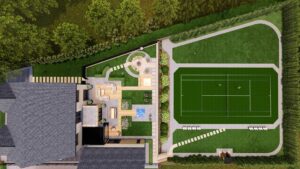
In townhouse gardens, layout is frequently used to improve flow and guide movement through the space. A sequence of connected areas can help create a greater sense of depth while making the garden feel larger than it actually is.
In new-build gardens, the layout often provides structure. Defining spaces for dining, relaxing, planting, and family life helps avoid the feeling of one large, undefined area.
Before selecting materials or plants, it is worth considering:
- Where the garden is viewed from inside the house
- How sunlight moves across the site
- Which areas need privacy
- How the space will be used throughout the year
- Whether future changes should be accommodated
These decisions often have a greater impact than any individual feature or planting choice.
How Planting Shapes The Character Of A Garden
Planting does much more than add colour. It influences privacy, atmosphere, structure, seasonal interest, and how a garden feels over time.
In townhouse gardens, planting is often used to soften walls, introduce layers, and create a sense of enclosure without restricting space. Carefully positioned trees, climbers, and structured borders can dramatically change the character of the garden.
In new-build gardens, planting frequently plays a more fundamental role by establishing privacy, defining boundaries, and helping the garden feel settled within its surroundings.
The most successful schemes take account of:
- Available sunlight
- Wind exposure
- Soil conditions
- Maintenance preferences
- Desired level of seasonal interest
Rather than selecting plants individually, it is often more effective to think about how planting contributes to the overall experience of the space.
Materials Should Respond To The Property
One of the most common mistakes in garden design is choosing materials based solely on trends.
The strongest gardens usually feel connected to the architecture they surround.
Traditional townhouses often benefit from restrained material palettes that complement existing stonework, brick, or period detailing. New-build properties can accommodate a wider variety of finishes, but they still benefit from consistency and careful coordination.
When selecting materials, it is worth considering:
- Durability
- Maintenance requirements
- Texture
- Colour relationships
- How materials will age over time
The goal is not simply to choose attractive materials but to create a cohesive outdoor environment.
Seeing The Design Before Construction Begins
One challenge shared by both townhouse and new-build projects is visualisation.
Many homeowners find it difficult to fully understand a design through plans alone. Proportions, material combinations, planting structure, and spatial relationships can be difficult to imagine before construction begins.
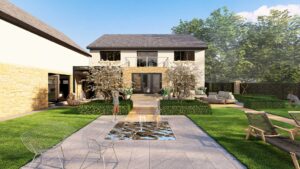
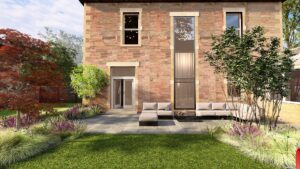
This is why visual tools such as photorealistic renderings and walkthrough presentations can be valuable. They allow homeowners to experience the proposed design before committing to major decisions, helping refine layouts, materials, and planting choices with greater confidence.
If you would like to learn more about this process, explore our 3D Garden Visualisation service.
When Professional Garden Design Becomes Particularly Valuable
Professional design is often most valuable when a garden presents challenges that are difficult to resolve through individual decisions alone.
This may include:
- Awkward proportions
- Privacy concerns
- Significant level changes
- New-build plots lacking structure
- Complex relationships between house and garden
- Projects involving multiple outdoor functions
A clear design strategy helps ensure that layout, planting, materials, and functionality work together rather than being considered separately.
Which Approach Is Right For Your Garden?
The answer depends less on whether a property is a townhouse or a new-build and more on how the garden relates to the house, the site, and the people using it.
Townhouse gardens often benefit from stronger flow, visual balance, and thoughtful use of space. New-build gardens frequently need structure, privacy, and a stronger sense of identity. In both cases, the most successful designs respond to the specific opportunities and constraints of the property rather than following a standard template.
If you are considering a garden redesign and would like professional guidance, you can learn more about our Garden Design process or browse examples within our Projects Portfolio.
Frequently Asked Questions
Are Townhouse Gardens More Difficult To Design Than New-Build Gardens?
Not necessarily. They simply present different challenges. Townhouse gardens often involve working within existing constraints, while new-build gardens usually require more structure and definition from the outset.
What Is Usually The Biggest Challenge In A New-Build Garden?
Creating privacy and establishing character are often the most common priorities during the early stages of development.
Should Planting Be Considered Early In The Design Process?
Yes. Planting influences privacy, structure, atmosphere, and long-term performance, so it should be considered alongside layout and materials rather than added later.
Is Garden Visualisation Useful For Smaller Gardens?
Absolutely. Visualisation can be particularly valuable in compact spaces where proportions and layout decisions have a significant impact on how the garden feels.
Ready To Explore What’s Possible In Your Garden?
Whether you own a traditional townhouse or a newly built home, every garden has its own opportunities and challenges. A thoughtful design process can help you make better use of the space available, create a stronger connection to your home, and develop a garden that works beautifully throughout the year.
If you’re considering a garden redesign and would like expert guidance, explore our Garden Design service, view examples in our Projects Portfolio, or get in touch to discuss your ideas.