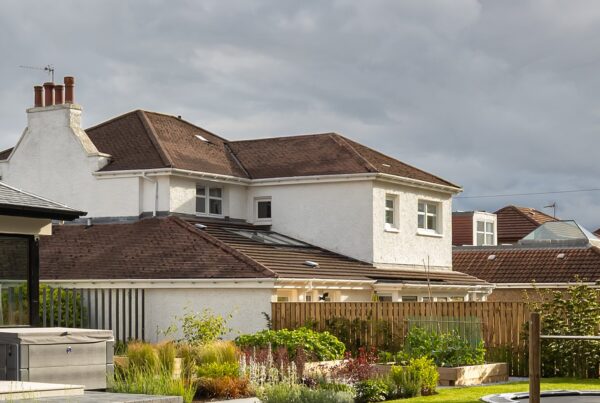
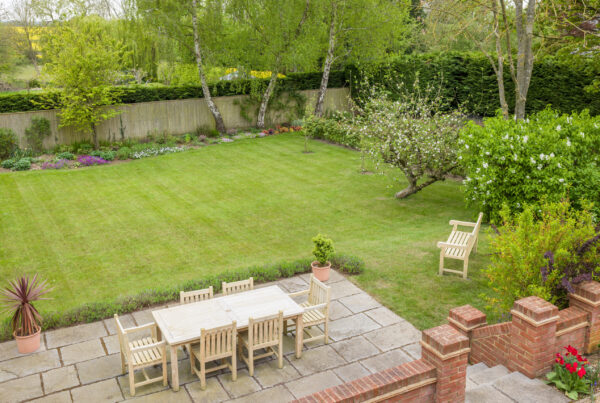
When it comes to garden design, Edinburgh townhouses and new-build homes often require very different approaches. Townhouse gardens typically need improved flow, privacy, and a stronger connection to the architecture of the property, while new-build gardens usually benefit from structure, screening, and a clearer sense of identity. Although both can become beautiful and highly functional outdoor spaces, the design decisions that work best are rarely the same.
If you are thinking about hiring a garden designer for the first time, you may be wondering what the experience is actually like. Do you need a clear vision before the first meeting? How involved will you be? What happens if you are unsure about an idea?
The key thing to know is that you are not expected to arrive with everything figured out. Working with a garden designer is usually a collaborative process. You bring your knowledge of how you live and what you need from the garden. The designer brings design expertise, a fresh perspective and the ability to turn those needs into a coherent plan.
Understanding that relationship can help you prepare better and make the most of the experience.

You Do Not Need To Know Exactly What You Want
One of the biggest misconceptions about garden design is that you need to arrive with a finished vision.
You do not.
In many cases, it is more useful to explain what is not working in your current garden.
You might say:
- We never use this part of the garden
- We need more privacy
- The space feels disconnected from the house
- We want somewhere better for outdoor dining
- We would like more planting but less maintenance
These practical observations give the designer a clearer understanding of what the garden needs to achieve.
Your job is not to design the solution before the process begins.
Expect To Talk About How You Live
Garden design is about more than appearance.
A designer needs to understand how the space will actually be used.
For example, a household that regularly entertains outdoors may need a different layout from a family that wants more room for children to play. Someone who enjoys gardening may want generous planting areas, while another homeowner may prefer a simpler, lower-maintenance approach.
You may be asked about:
- How many people use the garden
- Whether you entertain outdoors
- When you use the space most
- How much maintenance you are comfortable with
- Privacy or overlooking
- Storage needs
- Existing features you want to retain
These details help ensure the final garden is designed around real life rather than simply looking good on paper.
Inspiration Is Helpful, But It Does Not Need To Be Perfect
Saving photographs of gardens, materials or planting you like can be useful.
Images often communicate preferences more clearly than words. You may notice that you are repeatedly drawn to strong contemporary lines, natural materials, softer planting or a particular relationship between the house and garden.
However, inspiration should be treated as a starting point rather than a template.
A garden you found online may have different proportions, architecture, light conditions or surroundings from your own property.
A designer can help identify what you like about those examples and interpret those qualities in a way that suits your actual garden.
Be Prepared To Discuss Priorities And Budget
Budget conversations can feel uncomfortable, particularly when the design has not yet been developed.
However, avoiding the subject completely can make the process more difficult.
A garden can include many possible elements, from terraces and planting to seating spaces and structural features. Understanding priorities helps the designer develop ideas that are more closely aligned with what you realistically want to achieve.
It is also useful to separate your must-haves from your nice-to-haves.
If compromises are needed later, it becomes much easier to protect the parts of the garden that matter most to you.
You Should Expect To Give Feedback
Working with a garden designer should not mean staying silent while someone else makes every decision.
Feedback is an important part of creating a garden that feels personal to you.
You might like the overall direction but be unsure about a material, the position of a seating area or the character of the planting.
Useful feedback is specific.
Instead of saying, “I don’t like it,” explain what feels wrong. Perhaps an area feels too exposed, a material feels too formal or you want the garden to feel softer and more natural.
That gives the designer something meaningful to respond to.
It is much easier to refine an idea during the design stage than to realise after construction that something never felt right.
A Designer May Challenge Your Assumptions
One of the benefits of working with a garden designer is getting a fresh perspective on a space you may have lived with for years.
Homeowners naturally make assumptions about their gardens.
You might think a patio has to remain where it is, a path must follow the same route or the dining area obviously belongs outside a particular door.
Sometimes those assumptions are correct. Sometimes they only exist because that is how the garden has always been arranged.
A designer can look at the wider site and consider different possibilities based on sunlight, views, movement, privacy and the relationship with the house.
Being open to alternatives can reveal opportunities you may not have considered.
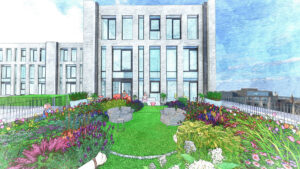
Seeing The Garden In 3D Can Make Decisions Easier
Not everyone finds it easy to understand a proposed garden from a two-dimensional plan.
You may understand where a terrace sits on paper but still struggle to imagine the proportions, materials or how it relates to the house.
This is where 3D visualisation can be useful.
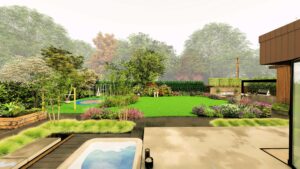
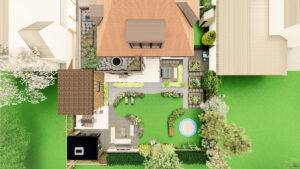
Gardens & Projects uses photorealistic 3D renderings, fully scaled garden modelling and video walkthrough presentations on relevant projects. The house and surrounding context can also be incorporated into the model.
This allows clients to understand materials, proportions and the overall character of the proposed garden before construction begins.
The purpose is not simply to create attractive visuals. It is to make the design easier to understand and discuss.
Explore Our Garden Design Services
A Garden Designer And A Landscaper Do Different Jobs
This distinction is important when deciding who you need.
A garden designer focuses on planning and designing the space.
A landscaper typically carries out the physical construction and implementation.
Some businesses offer both services, while others specialise in one area.
Gardens & Projects focuses on garden design rather than landscaping.
If you already have a landscaper in mind, it is worth discussing this with your designer so you understand how the completed design can support the next stage of the project.
How To Get More From Working With A Garden Designer
A few simple things can make the experience more productive:
- Think about how you actually use the garden
- Identify your main priorities
- Share inspiration, but remain open to different ideas
- Be honest about practical constraints
- Give clear feedback
- Ask questions when something is unclear
- Avoid buying major materials or furniture before the layout is resolved
Most importantly, treat the relationship as a collaboration.
You understand your home and lifestyle. The designer brings design knowledge and an objective view of the site.
The strongest results come from combining both.
Frequently Asked Questions
What Should I Bring To My First Meeting With A Garden Designer?
You do not need anything elaborate. It can help to bring inspiration images, a list of priorities and some thoughts about what currently works or does not work in your garden.
What If I Do Not Know What Style Of Garden I Want?
That is completely fine. Explaining how you want the garden to feel and sharing examples of things you like or dislike can help the designer develop an appropriate direction.
Can I Be Involved In The Design?
Yes. Garden design can be highly collaborative. Your feedback on priorities, materials, layout and overall character can help refine the proposal.
Should I Speak To A Garden Designer Before A Landscaper?
If you need help with the overall layout and design direction, involving a garden designer before construction can give the project a clearer plan from the outset.
Starting With The Right Expectations
Working with a garden designer should help you make better-informed decisions about your outdoor space.
You do not need a complete vision before getting started. What matters is being clear about what you want to improve, how you want to use the garden and which priorities matter most.
If you would like to understand how Gardens & Projects develops a design in more detail, you can explore the design process or browse previous garden design projects for inspiration.