Designing a contemporary garden in Edinburgh requires careful planning, thoughtful material choices, and planting that complements both the architecture of the home and the local landscape. Modern gardens focus on clarity, structure, and simplicity, creating outdoor spaces that feel calm, functional, and visually cohesive.
For homeowners across East Lothian, a contemporary garden can transform how outdoor space is used. Whether the garden is a compact urban courtyard or a larger suburban plot, modern design principles can help create a balanced space that connects the house with the surrounding environment.
This guide explores the key elements of garden design, including layout strategies, material choices, and planting ideas that suit Scotland’s climate.

How Should You Plan the Layout of a Contemporary Garden
The layout is the foundation of any successful garden design. A clear spatial structure ensures the garden feels organised and easy to navigate.
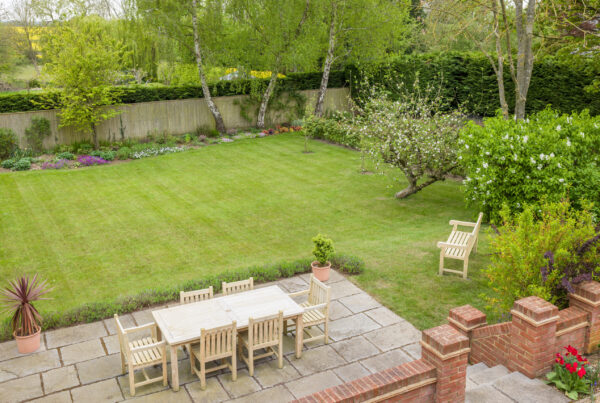
When planning a modern garden layout, designers typically divide the space into functional zones.
Common garden zones include:
- Outdoor seating areas
- Dining spaces
- Planting borders
- Circulation pathways
- Lawn or open areas
- Feature planting or focal points
A well-planned layout allows these areas to flow naturally together. Pathways guide movement through the garden while views from the house help determine where key features should be placed.
What Defines a Contemporary Garden Design
A contemporary garden focuses on clean lines, clear structure, and a strong relationship between the house and the outdoor space. Unlike traditional gardens that may emphasise decorative planting or ornamental features, contemporary designs prioritise spatial composition and purposeful design.
Key characteristics of modern garden design include:
- Simple geometric layouts
- Strong structural elements
- Limited material palettes
- Integrated seating and outdoor living areas
- Architectural planting schemes
- Clear circulation through the garden
Contemporary gardens often complement modern renovations or extensions, creating a seamless transition between indoor and outdoor living.
Which Materials Work Best?
Material choice plays a major role in defining the character of a modern design. Gardens typically use a restrained palette of materials that complement the architecture of the house.
Popular materials used include:
- Natural stone paving
- Porcelain paving slabs
- Timber decking
- Architectural concrete
- Corten steel planters
- Gravel or decorative aggregates
Porcelain paving has become particularly popular in modern gardens because of its durability and clean appearance. Natural stone remains a strong option when homeowners want a slightly softer aesthetic while maintaining a contemporary feel.
The key is consistency. Using too many materials can make a garden feel visually cluttered, while a limited palette creates cohesion.
According to the Royal Horticultural Society, careful material selection helps ensure that a garden remains functional and visually balanced over time.
How Does Planting Shape a Garden?
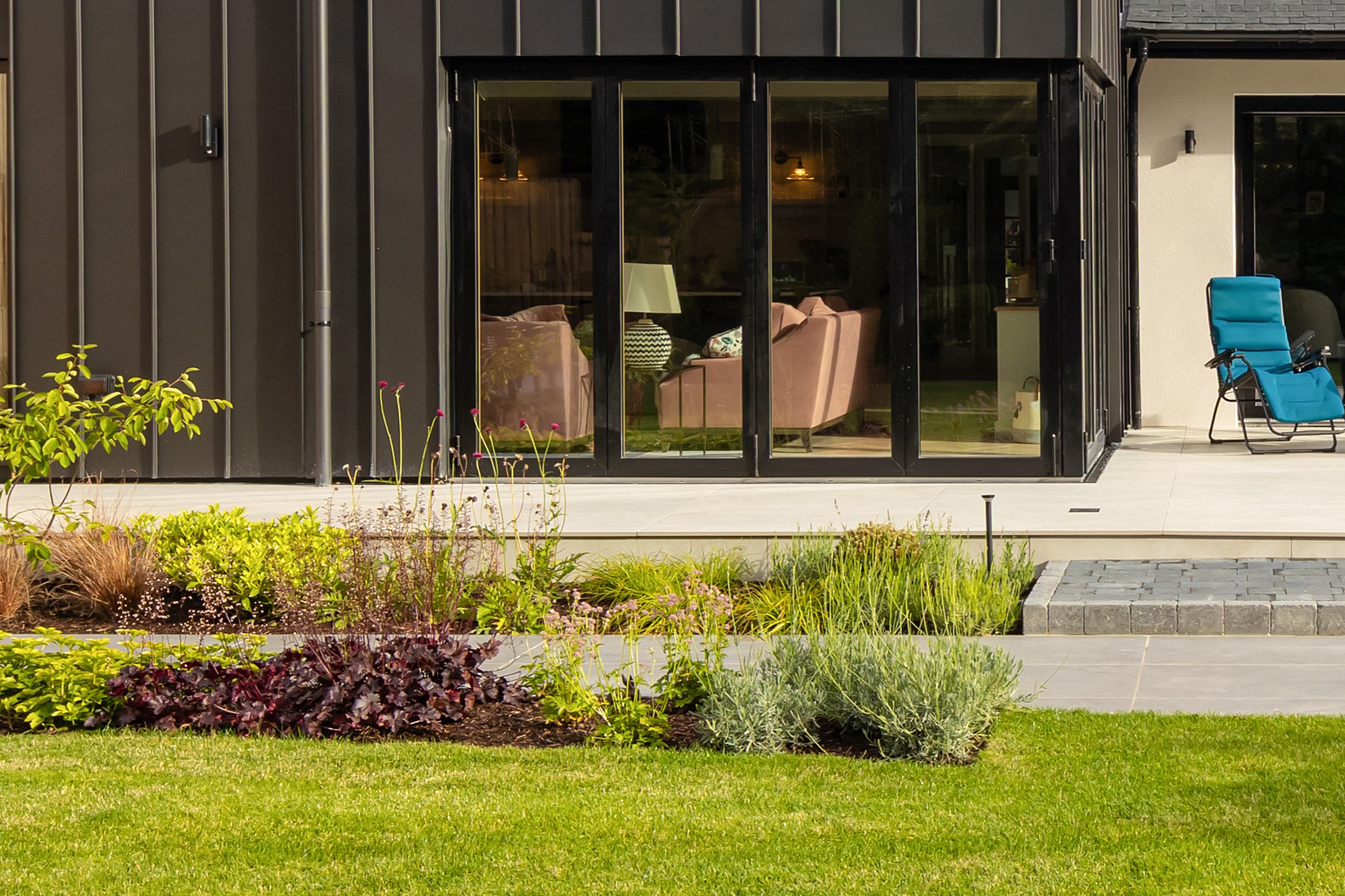
Planting in contemporary garden design tends to be structured and intentional rather than highly ornamental. Plants are used to reinforce the geometry of the garden and soften hard landscaping elements.
Common planting strategies include:
- Repetition of plant species
- Layered planting with varying heights
- Evergreen structure plants
- Grasses and architectural perennials
- Seasonal highlights through limited colour palettes
Plants often used in gardens in Scotland include:
- Ornamental grasses
- Alliums
- Salvias
- Lavender
- Box or yew for structure
- Hydrangeas for seasonal interest
Plant selection must also respond to local conditions. A coastal climate means designers often choose resilient plants that tolerate wind and fluctuating temperatures.
Why Visualising the Garden Design Matters
One challenge homeowners often face when planning a garden is imagining how the finished space will look. Drawings alone can make it difficult to visualise scale and atmosphere.
Professional designers often use tools such as:
- 3D garden visualisations
- Scaled layout plans
- Walkthrough presentations
These visual tools allow clients to explore their future garden before construction begins. This helps refine ideas and ensures that materials, planting, and layout work together cohesively.
How Professional Garden Design Can Help
While many homeowners start with inspiration images or ideas, translating those ideas into a functional garden requires experience and planning.
Professional garden design in Edinburgh helps ensure that the outdoor space works practically while maintaining a strong visual concept.
A garden designer considers:
- Spatial layout
- Circulation through the garden
- Relationship between house and landscape
- Planting structure
- Materials and detailing
This design stage helps avoid costly changes during landscaping and ensures that the finished garden reflects a clear vision.
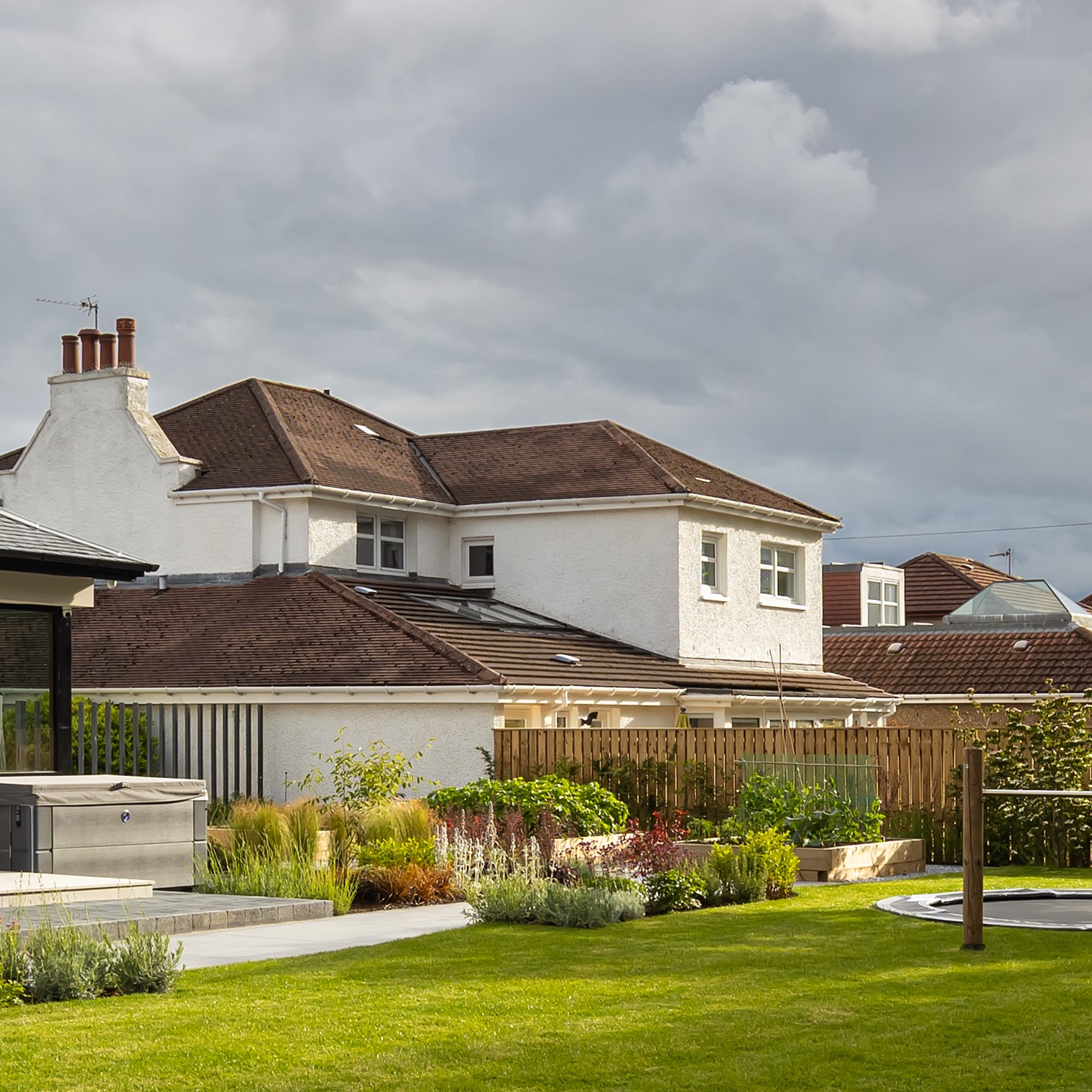
Key Principles to Remember When Designing a Garden
When planning a contemporary garden in Edinburgh, several guiding principles help ensure the final result feels balanced and timeless.
Important considerations include:
- Prioritising clear spatial structure
- Limiting the number of materials
- Using planting to soften architectural lines
- Designing functional outdoor living areas
- Maintaining a strong relationship between the house and garden
Following these principles helps create outdoor spaces that feel calm, purposeful, and enjoyable to use.
Start Planning Your Contemporary Garden in Edinburgh
Designing a modern garden begins with a clear understanding of how the space should function and how it connects to the home.
For homeowners, a professional design process can help translate ideas into a well-structured garden plan before construction begins.
Gardens & Projects works with homeowners across the region to create thoughtful outdoor spaces that combine contemporary design principles with planting suited to the local environment.
If you are considering redesigning your garden, the first step is exploring how a well-considered design could transform your outdoor space.